
MagFuseHub Com – Features, Uses, Safety & Value Guide Online!
February 15, 2026
Digital eye strain symptoms and treatment
March 2, 2026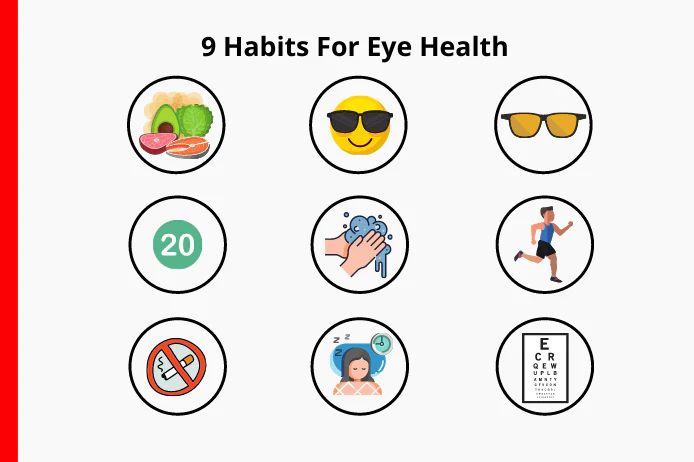
Vision is one of the most valuable senses, yet it is often taken for granted until problems begin to appear. In today’s fast-paced digital world, our eyes are exposed to constant strain from screens, artificial lighting, pollution, and lifestyle habits that were never part of human evolution. Protecting eyesight is no longer only about reading in proper light or visiting an eye specialist occasionally. It has become a daily responsibility that requires consistent care, conscious routines, and healthy living choices.
Adopting the best daily habits for healthy eyesight can significantly reduce the risk of common vision problems such as dryness, strain, blurred vision, and even long-term conditions. Small actions performed consistently can strengthen eye muscles, nourish delicate tissues, and protect against environmental damage. The key lies in building sustainable habits that fit naturally into everyday life.
Understanding how the eyes function
To appreciate the importance of daily care, it helps to understand how the eyes work. The eyes capture light, convert it into electrical signals, and send these signals to the brain for interpretation. This complex process depends on multiple structures working together seamlessly. The cornea focuses incoming light, the lens adjusts focus for near and distant objects, and the retina converts light into signals.
Because the eyes are delicate organs with constant exposure to the outside environment, they are vulnerable to dryness, irritation, infections, and degeneration. Unlike other body parts, the eyes rarely get complete rest during waking hours. They are continuously active, making daily maintenance essential for long-term health.
Maintaining a nutrient-rich diet
One of the most powerful habits for preserving eyesight begins in the kitchen. A balanced diet rich in vitamins and minerals supports eye tissues and protects against oxidative damage. Nutrients such as vitamin A, vitamin C, vitamin E, zinc, and omega-3 fatty acids play crucial roles in maintaining healthy vision.
Leafy green vegetables, colorful fruits, carrots, nuts, seeds, fish, and whole grains provide essential nutrients that nourish the eyes. Vitamin A supports night vision and keeps the cornea healthy. Antioxidants help reduce inflammation and protect cells from free radical damage. Omega-3 fatty acids support tear production and reduce dryness.
Making it a daily habit to include a variety of colorful foods can dramatically improve eye resilience over time.
Staying properly hydrated
Hydration affects every system in the body, including the eyes. When the body lacks adequate fluids, tear production can decrease, leading to dryness, irritation, and discomfort. Dry eyes can cause blurred vision, burning sensations, and increased sensitivity to light.
Drinking enough water throughout the day ensures that the eyes remain lubricated and comfortable. Herbal teas and water-rich fruits also contribute to hydration. Limiting excessive caffeine and sugary drinks can prevent dehydration-related dryness.
A simple routine of drinking water consistently can make a noticeable difference in eye comfort and clarity.
Practicing the 20-20-20 rule
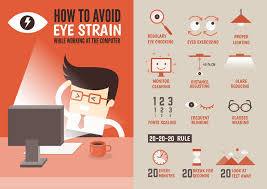
Digital eye strain has become increasingly common due to extended screen time. Staring at screens for prolonged periods reduces blink rate, leading to dryness and fatigue. The 20-20-20 rule is an effective daily practice to combat this issue.
Every 20 minutes, look at something 20 feet away for at least 20 seconds. This simple break relaxes the focusing muscles and reduces strain. Incorporating this rule into work or study routines can prevent headaches, blurred vision, and eye fatigue.
Consistency is essential. Setting reminders can help turn this practice into a lasting habit.
Prioritizing quality sleep
Sleep is the body’s natural repair mechanism, and the eyes are no exception. During sleep, the eyes receive essential moisture and nutrients while cellular repair takes place. Inadequate sleep can lead to twitching, dryness, redness, and difficulty focusing.
Adults generally need seven to nine hours of quality sleep per night. Establishing a consistent sleep schedule supports not only vision but also overall health. Reducing screen exposure before bedtime can improve sleep quality and prevent additional strain.
Making sleep a priority is one of the most underestimated yet effective daily habits for healthy eyesight.
Protecting eyes from harmful light
Exposure to ultraviolet rays and excessive blue light can damage eye tissues over time. Wearing sunglasses outdoors protects against harmful radiation and reduces glare. Indoors, adjusting screen brightness and using blue light filters can minimize strain.
Positioning screens at eye level and maintaining proper lighting in workspaces reduces unnecessary tension. Avoiding direct exposure to harsh sunlight without protection is crucial for long-term eye safety.
Daily protective measures serve as a shield against cumulative damage.
Maintaining proper hygiene
Eye infections often result from poor hygiene practices. Touching or rubbing the eyes with unwashed hands can transfer bacteria and viruses. Contact lens users must be especially cautious about cleaning and storage routines.
Washing hands frequently and avoiding sharing eye cosmetics or towels reduces the risk of infections. Replacing eye makeup regularly prevents bacterial buildup. Clean pillowcases also contribute to better eye health.
Simple hygiene habits can prevent discomfort and serious complications.
Engaging in regular physical activity
Exercise benefits circulation, including blood flow to the eyes. Improved circulation ensures that oxygen and nutrients reach delicate eye tissues. Physical activity also reduces the risk of conditions such as high blood pressure and diabetes, which can negatively impact vision.
A daily routine of walking, stretching, or moderate exercise supports overall wellness and indirectly protects eyesight. Even small amounts of movement throughout the day can have lasting benefits.
Healthy eyes thrive in a healthy body.
Avoiding smoking and limiting alcohol
Smoking introduces harmful chemicals that damage blood vessels and increase oxidative stress. This can accelerate vision decline and increase the risk of eye diseases. Limiting alcohol consumption also supports hydration and reduces inflammation.
Choosing a smoke-free lifestyle and moderating alcohol intake contribute significantly to preserving long-term vision. Daily decisions in this area have cumulative effects over time.
Protecting eyesight often means protecting the entire body from harmful substances.
Scheduling regular eye examinations
Even when vision seems normal, routine eye examinations are essential. Early detection of potential issues allows timely intervention and prevents progression. Many eye conditions develop gradually without obvious symptoms.
An annual or biannual checkup ensures that changes in vision are addressed promptly. Professional evaluations also assess overall eye health beyond simple vision clarity.
Preventive care is a cornerstone of the best daily habits for healthy eyesight.
Managing stress effectively
Chronic stress affects circulation, sleep, and overall well-being, indirectly influencing eye health. Stress can cause eye twitching, tension headaches, and visual discomfort. Incorporating relaxation techniques such as deep breathing, meditation, or short breaks during work can alleviate strain.
Maintaining emotional balance supports both mental clarity and visual comfort. When stress levels decrease, the body functions more efficiently, including the visual system.
Daily stress management is an often overlooked but powerful habit for maintaining eyesight.
Creating an eye-friendly workspace
Work environments significantly influence eye strain levels. Proper lighting reduces glare and prevents squinting. Screens should be positioned about an arm’s length away and slightly below eye level.
Using ergonomic chairs and maintaining good posture also prevent neck and shoulder tension that can contribute to headaches and visual discomfort. Adjusting font size and contrast improves readability and reduces strain.
Designing a workspace with eye health in mind makes long hours more manageable.
Limiting continuous screen exposure
While technology is unavoidable, mindful usage can reduce its impact. Taking short breaks, alternating tasks, and avoiding unnecessary scrolling give the eyes time to recover.
Setting boundaries for recreational screen time is equally important. Engaging in outdoor activities provides natural visual stimulation and relaxation for eye muscles.
Balancing digital and offline activities promotes healthier vision habits.
Encouraging outdoor time
Spending time outdoors exposes the eyes to natural light and varying focal distances. This helps strengthen focusing ability and reduces the risk of certain vision issues. Outdoor activities also encourage blinking and relaxation.
Even short daily walks can provide meaningful benefits. Nature offers a refreshing break from artificial lighting and close-up tasks.
Integrating outdoor time into daily life supports both eye and overall health.
Building consistent routines
Habits become effective only when practiced consistently. Developing a morning and evening routine that includes hydration, balanced meals, proper lighting, and reduced screen exposure builds a foundation for lifelong eye care.
Small actions repeated daily create powerful long-term results. Patience and consistency are essential in protecting vision for years to come.
FAQs
How much screen time is considered safe for eye health?
There is no universal limit, but taking breaks every 20 minutes and avoiding continuous hours without rest significantly reduces strain. Balancing work with regular pauses is essential.
Can diet really improve eyesight naturally?
A nutrient-rich diet supports eye function and may slow vision decline, but it does not replace corrective lenses if needed. Proper nutrition strengthens overall eye health.
Is eye strain permanent?
Most cases of eye strain are temporary and improve with rest, proper lighting, and reduced screen exposure. Persistent symptoms should be evaluated by a professional.
How does sleep affect vision clarity?
Sleep allows the eyes to rehydrate and repair. Insufficient sleep may cause dryness, blurred vision, and twitching.
Are sunglasses necessary on cloudy days?
Ultraviolet rays can penetrate clouds, so wearing protective eyewear outdoors remains important even when sunlight appears mild.
Can dehydration cause blurred vision?
Yes, dehydration can reduce tear production and cause dryness, leading to temporary blurred vision and discomfort.
Does exercise directly improve eyesight?
Exercise improves blood circulation and reduces the risk of systemic conditions that can affect vision, indirectly supporting eye health.
How often should eye exams be scheduled?
Adults with no known issues typically benefit from examinations every one to two years, though frequency may vary based on individual needs.
Is rubbing eyes harmful?
Frequent rubbing can irritate tissues and introduce bacteria, increasing the risk of infection and inflammation.
Can daily habits prevent age-related vision problems?
Healthy daily habits reduce risk factors and slow progression, but they cannot entirely eliminate age-related changes. Preventive care still plays a critical role.
Adopting the best daily habits for healthy eyesight requires commitment, but the rewards are invaluable. Clear vision enhances productivity, independence, and quality of life. By making thoughtful daily choices, anyone can protect and strengthen their eyesight for years to come.