

Beginner home workout plan for weight loss
March 2, 2026
Natural ways to boost immune system
March 2, 2026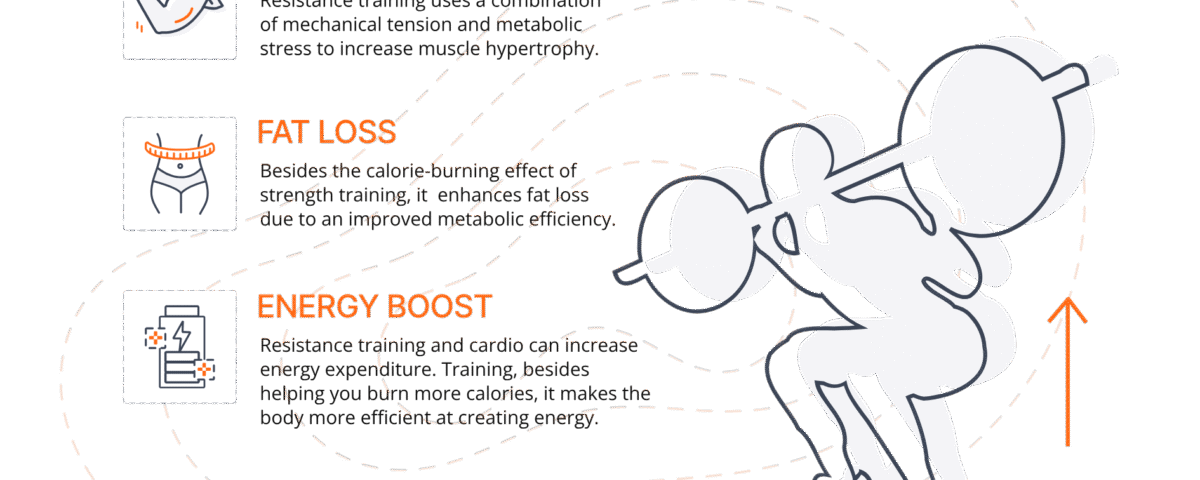
Introduction to strength training
Strength training, often associated with building muscle, is much more than just a way to improve physical appearance. It plays a crucial role in overall health, fitness, and longevity. By engaging in resistance exercises—using body weight, free weights, or resistance bands—individuals can improve muscle strength, bone density, metabolism, and mental well-being. Strength training is not limited to athletes or bodybuilders; it is highly beneficial for people of all ages and fitness levels.
Incorporating strength training into a weekly routine supports both physical and mental health. Beginners often see improvements in daily function, posture, and energy levels, while long-term participants enjoy better metabolic health and reduced risk of chronic diseases.
Enhancing muscle strength and endurance
The most obvious benefit of strength training is increased muscle strength. Muscles become more efficient in performing daily tasks, from lifting objects to climbing stairs. Improved endurance allows individuals to sustain physical activity for longer periods without fatigue.
Exercises like squats, push-ups, lunges, and resistance band workouts gradually challenge muscles, stimulating growth and adaptation. Over time, stronger muscles contribute to better posture, coordination, and overall physical performance.
Supporting bone health
Bone density naturally decreases with age, leading to an increased risk of fractures and osteoporosis. Strength training applies controlled stress to bones, stimulating bone-forming cells and improving bone density.
Weight-bearing exercises such as squats, lunges, and step-ups are particularly effective. This benefit is especially critical for women, who are at a higher risk of osteoporosis. Maintaining bone health through strength training can significantly reduce fracture risk and support long-term mobility.
Boosting metabolism and aiding weight management
Strength training increases lean muscle mass, which burns more calories even at rest. Unlike cardio exercises that primarily burn calories during the workout, muscle tissue contributes to a higher resting metabolic rate.
This effect helps with weight management and fat loss over time. Combining strength training with proper nutrition and occasional cardiovascular exercises creates a holistic approach to achieving and maintaining a healthy weight.
Improving joint stability and flexibility
Contrary to the belief that strength training reduces flexibility, properly performed resistance exercises can enhance joint stability and range of motion. Strengthened muscles support joints, reducing the risk of injuries and conditions such as arthritis.
Incorporating exercises that involve controlled movement through full ranges, like squats and overhead presses, maintains joint mobility and promotes functional strength. Strong muscles act as shock absorbers, protecting joints during daily activities.
Enhancing cardiovascular health
While often considered a component of aerobic exercise, strength training also benefits heart health. Studies show that regular resistance training can lower blood pressure, improve cholesterol levels, and enhance circulation.
Muscle contractions during resistance exercises stimulate blood flow and oxygen delivery, supporting overall cardiovascular function. Combined with regular cardio, strength training offers comprehensive protection for heart health.
Supporting mental health and cognitive function
Strength training positively affects mental well-being by reducing symptoms of anxiety and depression. Physical activity triggers the release of endorphins, which improve mood and reduce stress levels.
Additionally, strength exercises enhance cognitive function by improving blood flow to the brain and promoting neural plasticity. Regular participation can boost focus, memory, and overall mental clarity.
Reducing risk of chronic diseases
Incorporating strength training into a fitness routine reduces the risk of several chronic conditions. Improved muscle mass and metabolism help prevent obesity and type 2 diabetes. Enhanced bone density reduces osteoporosis risk, while better circulation and heart function lower cardiovascular disease risk.
Even moderate resistance training performed two to three times a week provides significant long-term health benefits.
Promoting functional fitness for daily life
Functional strength enables individuals to perform everyday activities safely and efficiently. Tasks such as carrying groceries, climbing stairs, or lifting children require muscle strength and coordination.
Strength training improves balance, posture, and endurance, reducing the risk of falls and injuries. It empowers people to maintain independence and mobility as they age.
Incorporating strength training safely
Beginners should start with bodyweight exercises or light resistance bands before progressing to heavier weights. Proper technique is critical to prevent injury. Warm-ups, gradual progression, and cooldown stretches should always be part of the routine.
Scheduling two to three strength sessions per week, combined with cardio and flexibility exercises, provides a balanced approach to overall health. Consulting a fitness professional or physiotherapist can be beneficial for personalized guidance.
FAQs
How often should beginners do strength training?
Two to three sessions per week, allowing a day of rest between workouts for recovery.
Can strength training help with weight loss?
Yes, by increasing muscle mass and metabolism, it supports fat loss and overall weight management.
Do I need gym equipment?
No, bodyweight exercises, resistance bands, or household items can be effective for beginners.
Is strength training safe for older adults?
Yes, with proper guidance and progressive exercises, it helps maintain mobility, bone density, and independence.
Can strength training improve posture?
Yes, by strengthening core and back muscles, it supports spinal alignment and reduces postural problems.
How long before I see results?
Visible strength improvements can be noticed within 4–6 weeks, while long-term health benefits accumulate over months.
Should I combine strength and cardio?
Yes, a combination ensures overall fitness, heart health, and better weight management.
Can strength training reduce stress?
Yes, it promotes endorphin release, which improves mood and reduces anxiety levels.
How important is technique?
Proper technique is essential to prevent injuries and maximize benefits. Beginners should start slow and focus on form.
Can strength training improve flexibility?
Yes, controlled movements through full ranges of motion enhance joint mobility and overall flexibility.
Strength training is a powerful tool for improving physical fitness, mental well-being, and long-term health. By committing to a consistent, well-structured routine, individuals of all ages can enjoy stronger muscles, healthier bones, better metabolism, and improved quality of life.