Importance of preventive health checkups
March 2, 2026
Signs of depression and when to seek help
March 2, 2026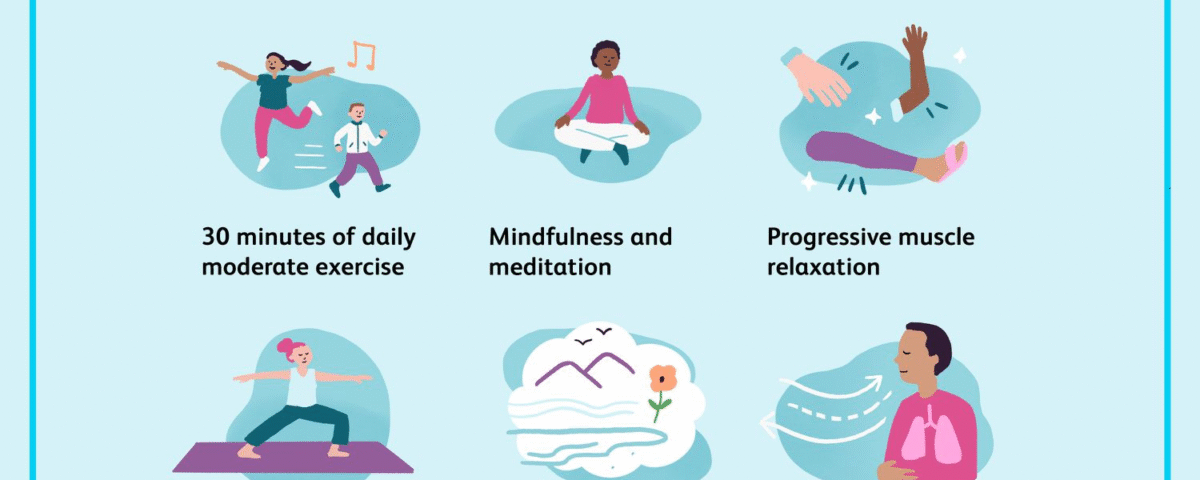
Introduction to stress and anxiety
Stress and anxiety are common experiences in today’s fast-paced world. While occasional stress is a normal part of life, chronic stress and persistent anxiety can negatively affect both physical and mental health. Symptoms may include racing thoughts, muscle tension, difficulty sleeping, irritability, and reduced concentration. Managing stress and anxiety naturally involves adopting lifestyle habits, relaxation techniques, and coping strategies that support emotional balance and overall well-being.
Natural methods not only reduce immediate symptoms but also strengthen the body’s resilience, helping individuals handle future challenges more effectively.
Understanding the causes of stress and anxiety
Stress is the body’s response to external pressures, such as work demands, financial concerns, or interpersonal conflicts. Anxiety often arises from prolonged stress, worry about the future, or perceived threats. Other factors, including genetics, hormonal imbalances, poor sleep, and unhealthy lifestyle choices, can exacerbate anxiety levels.
Identifying the root causes of stress is the first step toward effective management. Awareness allows for targeted strategies that address both triggers and responses.
Practicing mindfulness and meditation
Mindfulness involves focusing on the present moment without judgment. It helps individuals become aware of their thoughts and emotions, reducing overthinking and worry. Meditation, even for a few minutes daily, can calm the mind, lower heart rate, and reduce cortisol levels, the primary stress hormone.
Techniques such as guided meditation, deep breathing, or body scans can be easily incorporated into a daily routine. Regular mindfulness practice improves emotional regulation and promotes a sense of inner calm.
Engaging in regular physical activity
Exercise is a natural stress reliever and anxiety reducer. Physical activity stimulates the release of endorphins, chemicals that improve mood and act as natural painkillers. Activities like brisk walking, jogging, swimming, yoga, or dancing help reduce tension and improve sleep quality.
Even short, consistent sessions of 20–30 minutes can have a significant impact. Combining aerobic exercises with strength training and flexibility routines provides comprehensive benefits for both body and mind.
Maintaining a balanced diet
Nutrition plays a critical role in mental health. Diets high in sugar, processed foods, and caffeine can worsen anxiety and mood swings. Conversely, consuming nutrient-rich foods supports brain function and emotional stability.
Foods that promote mental well-being include leafy green vegetables, fatty fish rich in omega-3s, nuts and seeds, whole grains, and fruits high in antioxidants. Staying hydrated also contributes to optimal brain function and reduces irritability.
Prioritizing quality sleep
Sleep and mental health are closely interconnected. Lack of restorative sleep increases stress, impairs concentration, and heightens emotional sensitivity. Establishing a consistent sleep schedule, creating a calming bedtime routine, and limiting screen exposure before bed can improve sleep quality.
Aim for seven to nine hours of sleep each night to allow the body and mind to recover, regulate hormones, and reduce anxiety levels naturally.
Practicing deep breathing exercises
Deep breathing techniques activate the body’s parasympathetic nervous system, promoting relaxation and reducing the physiological effects of stress.
Simple exercises include diaphragmatic breathing, where one inhales deeply through the nose, expanding the abdomen, holds for a few seconds, and exhales slowly. Repeating this for several minutes daily helps lower heart rate, decrease tension, and create a sense of calm.
Limiting stimulants and substances
Excessive caffeine, nicotine, and alcohol can increase anxiety and stress symptoms. Reducing or avoiding these substances helps stabilize mood and improve sleep quality.
Opting for herbal teas, water, and natural remedies can support relaxation without triggering nervousness or restlessness.
Building social support networks
Connecting with friends, family, or support groups provides emotional reassurance and reduces feelings of isolation. Sharing experiences and discussing concerns helps relieve stress and gain perspective.
Positive social interactions boost oxytocin, a hormone that promotes bonding and reduces anxiety. Maintaining healthy relationships is a natural and effective way to manage stress over the long term.
Incorporating relaxation techniques
Activities like progressive muscle relaxation, journaling, listening to calming music, or engaging in hobbies help divert attention from stressors and promote relaxation.
Creative outlets such as painting, gardening, or writing provide a therapeutic way to process emotions, reduce tension, and foster a sense of accomplishment.
Setting boundaries and time management
Overcommitting and poor time management are common stress triggers. Learning to say no, delegating tasks, and prioritizing responsibilities help reduce overwhelm.
Structured routines and realistic goal-setting prevent burnout and create a balanced lifestyle, allowing for adequate self-care and relaxation.
FAQs
What is the difference between stress and anxiety?
Stress is a response to external pressures, while anxiety is a persistent feeling of worry or fear, often without an immediate cause.
Can exercise really reduce anxiety?
Yes, physical activity releases endorphins and reduces stress hormones, improving mood and decreasing anxiety.
How long should I meditate daily?
Even 5–10 minutes daily can be effective, with longer sessions providing additional benefits.
Are there specific foods that help reduce anxiety?
Leafy greens, fatty fish, nuts, seeds, whole grains, and antioxidant-rich fruits support mental well-being.
Can lack of sleep worsen stress?
Yes, inadequate sleep increases cortisol levels, reduces emotional regulation, and heightens anxiety.
How does deep breathing help with stress?
It activates the parasympathetic nervous system, slowing heart rate and promoting relaxation.
Should I avoid caffeine completely?
Moderation is key. Excessive caffeine can increase nervousness and sleep disturbances.
Can social interactions reduce anxiety naturally?
Yes, positive connections boost oxytocin and provide emotional support, lowering stress levels.
How do hobbies help manage stress?
Hobbies provide relaxation, distraction from worries, and a sense of accomplishment, reducing tension.
When should I seek professional help?
If stress or anxiety persists, interferes with daily life, or causes severe symptoms, consult a mental health professional.
Managing stress and anxiety naturally requires consistent lifestyle adjustments, relaxation techniques, and supportive habits. By incorporating mindfulness, exercise, proper nutrition, quality sleep, and social support, individuals can strengthen resilience, improve emotional balance, and enhance overall well-being.