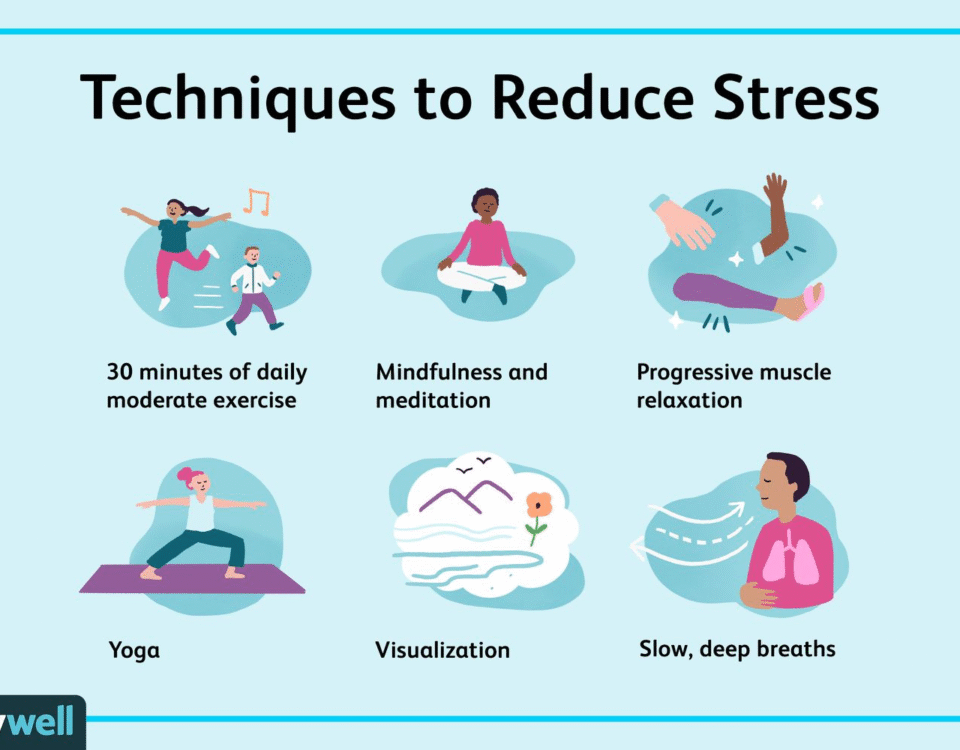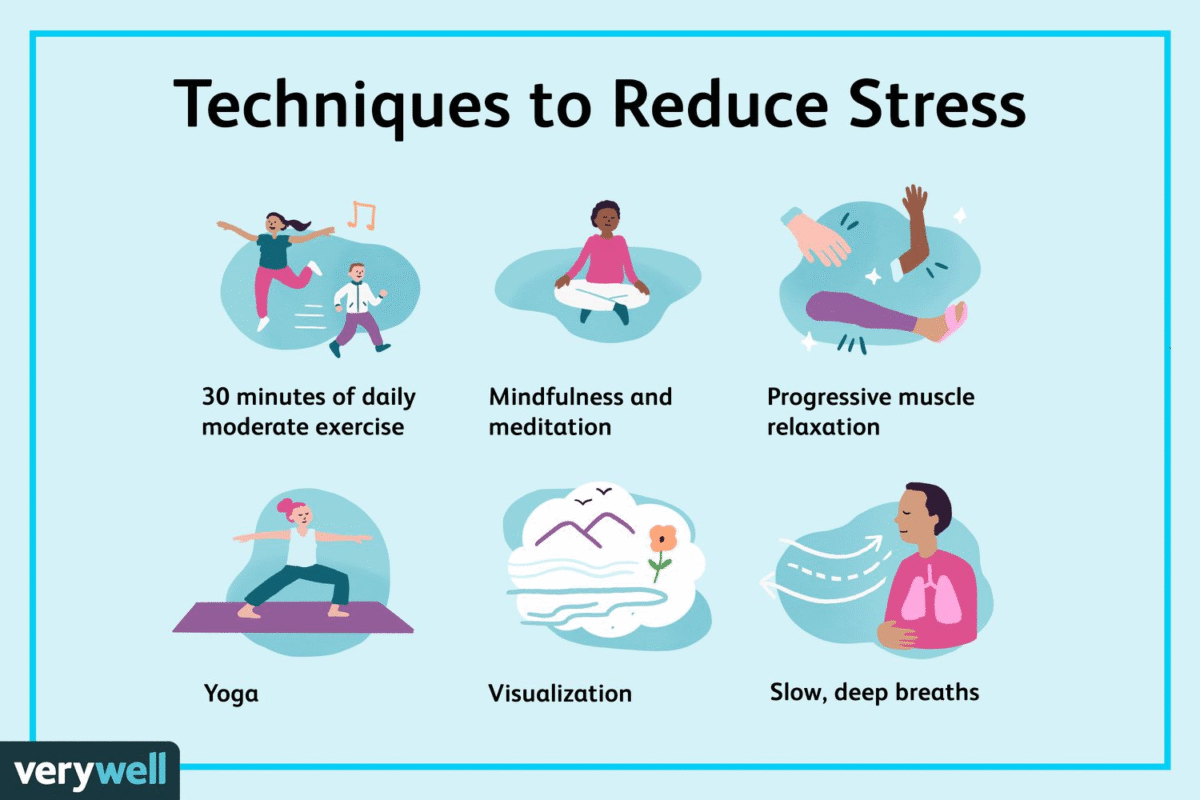
How to manage stress and anxiety naturally
March 2, 2026
Daily skincare routine for glowing skin
March 2, 2026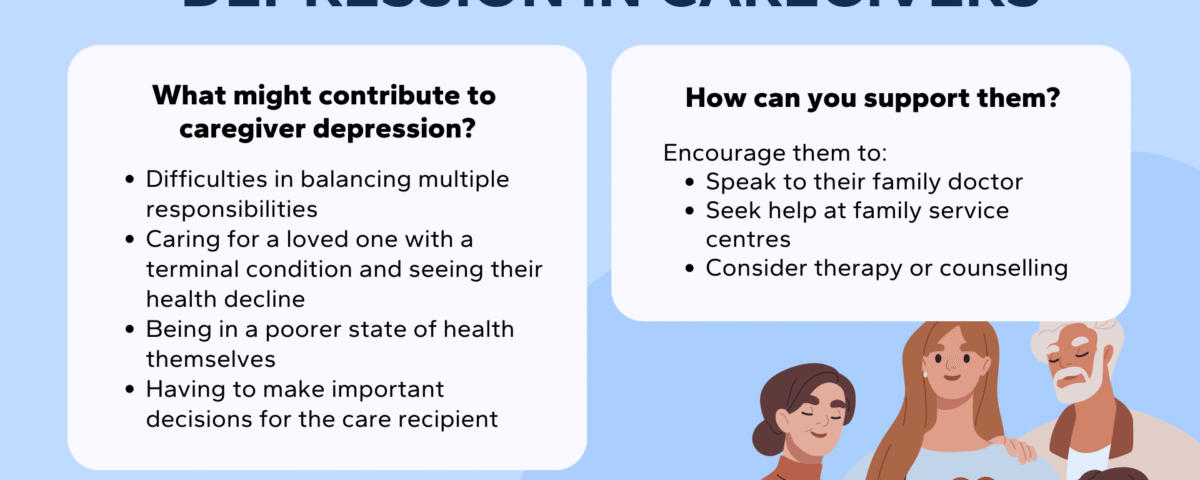
Introduction to depression
Depression is a common yet serious mental health condition that affects millions of people worldwide. It goes beyond occasional sadness or stress, impacting daily life, relationships, and physical health. Recognizing the signs of depression early is essential for seeking timely help and preventing complications. Understanding when to reach out to a professional can make a significant difference in recovery and overall well-being.
Depression can affect anyone, regardless of age, gender, or background. While causes vary, factors such as genetics, chemical imbalances in the brain, chronic stress, traumatic experiences, and certain medical conditions can contribute to its onset.
Common emotional signs of depression
Persistent sadness – Feeling down, hopeless, or empty most of the day is a core symptom.
Loss of interest – Activities that were once enjoyable, such as hobbies or social interactions, may no longer feel appealing.
Irritability or frustration – Even small tasks may provoke disproportionate anger or annoyance.
Feelings of guilt or worthlessness – Individuals may excessively criticize themselves or feel undeserving of happiness.
Anxiety and restlessness – Depression often coexists with anxiety, leading to constant worry or tension.
Recognizing these emotional changes is the first step toward identifying depression and seeking help.
Physical and behavioral signs
Depression affects both mind and body. Common physical and behavioral signs include:
Fatigue or low energy – Even simple tasks can feel exhausting.
Changes in appetite or weight – Significant weight gain or loss may occur.
Sleep disturbances – Insomnia, early waking, or oversleeping are common.
Difficulty concentrating – Reduced focus, memory lapses, or indecisiveness may interfere with daily responsibilities.
Social withdrawal – Avoiding friends, family, and previously enjoyed activities.
Physical aches – Headaches, stomach pain, or other unexplained body discomfort may arise.
These symptoms often appear gradually and can be mistakenly attributed to other causes, making awareness critical.
When to seek professional help
It is essential to consult a mental health professional if symptoms persist for more than two weeks or interfere with daily functioning. Immediate help is necessary if there are thoughts of self-harm or suicide.
Early intervention increases the effectiveness of treatment and helps prevent worsening symptoms. Mental health professionals can offer therapy, counseling, lifestyle guidance, and, in some cases, medication to support recovery.
Self-care strategies to support mental health
While professional treatment is important, daily habits can complement recovery and improve overall well-being.
Regular physical activity – Exercise releases endorphins, which naturally boost mood.
Balanced nutrition – Consuming nutrient-rich foods supports brain health and energy levels.
Quality sleep – Establishing a consistent sleep routine helps regulate mood and cognitive function.
Mindfulness and relaxation – Meditation, deep breathing, and journaling reduce stress and improve emotional clarity.
Social support – Talking to trusted friends or family members can provide comfort and reduce feelings of isolation.
These strategies can help manage symptoms and reinforce the benefits of professional treatment.
Understanding that depression is treatable
Depression is a medical condition, not a personal weakness. With timely intervention, individuals can recover and lead fulfilling lives. Therapy options include cognitive-behavioral therapy, talk therapy, and lifestyle counseling, while medication may be recommended for moderate to severe cases.
Combining professional care with healthy habits and social support provides a holistic approach to managing depression. Early recognition and intervention are key to preventing long-term complications.
FAQs
What is the difference between depression and occasional sadness?
Depression is persistent and affects daily life, whereas sadness is temporary and usually linked to specific events.
Can depression affect physical health?
Yes, depression can cause fatigue, sleep problems, appetite changes, and increased susceptibility to illness.
How long do symptoms need to last to indicate depression?
Symptoms lasting more than two weeks and interfering with daily functioning warrant professional evaluation.
Is depression treatable?
Yes, with therapy, lifestyle changes, and sometimes medication, most individuals experience significant improvement.
Can children and teens experience depression?
Yes, depression can affect all ages. Signs in younger individuals may include irritability, poor academic performance, or social withdrawal.
What should I do if I have suicidal thoughts?
Seek immediate help from a mental health professional, helpline, or emergency services. Crisis intervention can save lives.
Are lifestyle changes enough to manage depression?
Lifestyle habits help support recovery but are most effective when combined with professional guidance.
How can family and friends help?
Provide emotional support, encourage treatment, and maintain open communication without judgment.
Can stress trigger depression?
Chronic stress can increase the risk of depression by affecting brain chemistry and emotional resilience.
How quickly can treatment show results?
Therapy and lifestyle changes may show improvements within weeks, while medication may take a few weeks to achieve full effectiveness.
Recognizing the signs of depression and seeking help early is essential for recovery and long-term mental well-being. With awareness, support, and appropriate treatment, individuals can regain balance, restore motivation, and lead fulfilling lives.