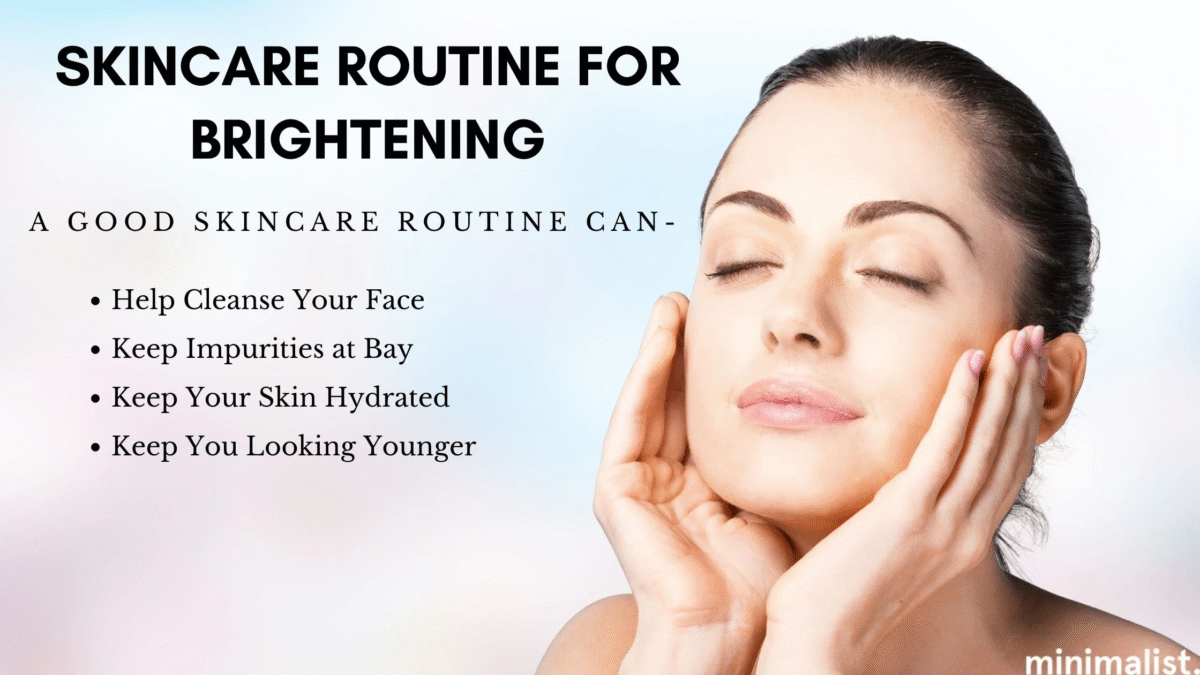

Daily skincare routine for glowing skin
March 2, 2026
Essential vitamins and minerals for women’s health
March 2, 2026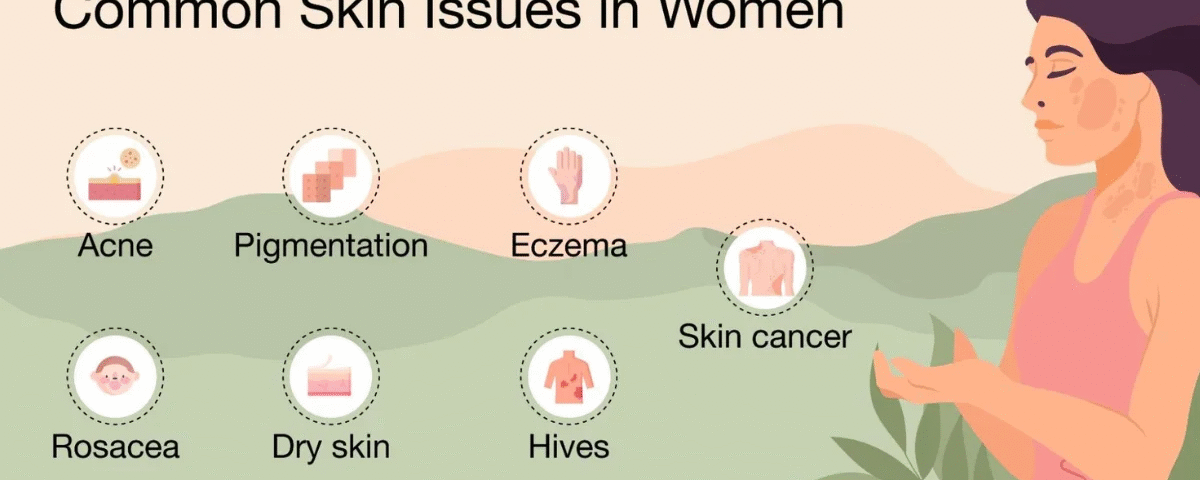
Introduction to skin problems
Skin issues are a common concern for people of all ages. From acne and dryness to pigmentation and eczema, skin problems can affect appearance, confidence, and overall comfort. Many skin conditions result from a combination of genetics, lifestyle, diet, environmental factors, and improper skincare.
Treating skin problems naturally emphasizes gentle care, using ingredients and habits that support the skin’s healing and regeneration. While severe conditions may require medical intervention, many common issues respond well to consistent natural remedies and lifestyle adjustments.
Acne and pimples
Acne is caused by clogged pores, excess oil production, and bacterial growth. Common triggers include hormonal changes, stress, and certain foods.
Natural remedies:
Tea tree oil – Has antibacterial properties; dilute before applying to affected areas.
Aloe vera – Soothes inflammation and promotes healing.
Honey – Natural antibacterial and moisturizing agent.
Regular cleansing – Use gentle, non-comedogenic products to prevent pore blockage.
Maintaining a balanced diet, reducing sugar intake, and avoiding excessive touching of the face can also prevent breakouts.
Dry skin
Dry skin feels tight, rough, or flaky and can be caused by cold weather, low humidity, harsh soaps, or dehydration.
Natural remedies:
Coconut oil – Moisturizes and locks in hydration.
Oatmeal baths – Soothe irritation and restore moisture.
Honey – Acts as a natural humectant, attracting moisture to the skin.
Aloe vera gel – Provides hydration and reduces irritation.
Using lukewarm water instead of hot showers and applying moisturizers immediately after washing enhances hydration.
Oily skin
Excess oil can lead to shine, enlarged pores, and acne. Oily skin often results from genetics, hormones, or environmental factors.
Natural remedies:
Clay masks – Absorb excess oil and impurities.
Witch hazel – Natural astringent that reduces oiliness.
Aloe vera – Hydrates without adding extra oil.
Balanced diet – Reducing fried and processed foods helps manage sebum production.
Consistent cleansing and non-comedogenic skincare products prevent clogged pores and breakouts.
Hyperpigmentation and dark spots
Hyperpigmentation occurs due to excess melanin production, caused by sun exposure, hormonal changes, or inflammation.
Natural remedies:
Lemon juice – Lightens dark spots (use diluted and with sunscreen afterward).
Aloe vera – Helps reduce pigmentation and soothes skin.
Turmeric – Anti-inflammatory and brightening properties; can be used in masks.
Green tea extract – Antioxidants protect skin and reduce discoloration.
Always combine natural treatments with sun protection to prevent further pigmentation.
Eczema and sensitive skin
Eczema causes red, itchy, and inflamed skin. Sensitive skin reacts easily to irritants, stress, or environmental changes.
Natural remedies:
Coconut oil – Moisturizes and reduces irritation.
Oatmeal – Calms inflammation and itching.
Aloe vera – Soothes redness and repairs the skin barrier.
Chamomile – Anti-inflammatory and gentle for sensitive skin.
Avoid harsh soaps, fragrances, and extreme temperatures to minimize flare-ups.
Wrinkles and fine lines
Signs of aging, including wrinkles, result from decreased collagen production, sun exposure, and lifestyle factors.
Natural remedies:
Aloe vera – Promotes collagen production and hydrates skin.
Coconut oil – Moisturizes and improves skin elasticity.
Green tea – Antioxidants fight free radicals that cause aging.
Facial exercises – Improve circulation and tone facial muscles.
Consistent sun protection, hydration, and a nutrient-rich diet help slow the formation of fine lines.
Tips for preventing common skin problems
Stay hydrated – Drinking enough water keeps skin plump and healthy.
Eat a balanced diet – Include fruits, vegetables, and healthy fats for antioxidants and vitamins.
Follow a proper skincare routine – Cleanse, tone, moisturize, and protect from the sun.
Avoid touching your face – Reduces the spread of bacteria and prevents breakouts.
Get adequate sleep – Supports skin repair and reduces stress-related issues.
Manage stress – Stress can trigger acne, eczema, and other skin conditions.
FAQs
Can natural remedies completely cure skin problems?
Natural remedies help manage and improve many common issues, but severe conditions may require medical treatment.
How long does it take to see results?
Results vary depending on the condition and consistency, typically a few weeks to months for noticeable improvement.
Are natural remedies safe for sensitive skin?
Most are safe, but always perform a patch test to avoid reactions.
Can diet affect skin health?
Yes, a balanced diet rich in vitamins, minerals, and antioxidants improves skin texture and prevents issues.
Is sunscreen necessary if using natural remedies?
Yes, sun protection is essential to prevent pigmentation, aging, and other skin damage.
Can stress cause skin problems?
Yes, stress can trigger acne, eczema, and other skin issues due to hormonal fluctuations.
How often should I moisturize?
Twice daily is ideal, or more often if the skin feels dry or irritated.
Are home remedies effective for acne scars?
They can help lighten scars over time, but deeper scars may require professional treatment.
Can oily skin become dry with natural remedies?
Using gentle, non-stripping products prevents over-drying while balancing sebum production.
Is it necessary to see a dermatologist for common skin issues?
Consulting a dermatologist is recommended if problems persist, worsen, or cause discomfort.
Using natural remedies and adopting a consistent skincare routine can prevent and manage most common skin problems. With proper care, hydration, nutrition, and sun protection, skin health can be maintained, leaving it clear, radiant, and resilient.