
Common skin problems and how to treat them naturally
March 2, 2026
Tips for maintaining reproductive health naturally
March 2, 2026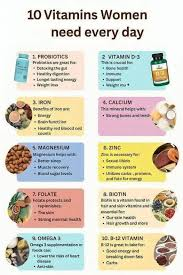
Introduction to women’s nutrition
Women have unique nutritional needs that vary across different life stages, including adolescence, pregnancy, menopause, and older adulthood. Consuming the right balance of vitamins and minerals is essential for maintaining energy, supporting reproductive health, strengthening bones, and preventing chronic diseases. A well-rounded diet ensures that the body functions optimally, reduces fatigue, and promotes overall well-being.
Deficiencies in key nutrients can lead to issues such as anemia, weakened immunity, hormonal imbalances, and bone loss. Understanding which vitamins and minerals are most important helps women make informed dietary choices and maintain long-term health.
Vitamin A for healthy skin and vision
Vitamin A supports vision, skin health, and immune function. It is essential for maintaining healthy epithelial tissues, which line organs and protect against infections.
Sources of vitamin A include carrots, sweet potatoes, spinach, and liver. Incorporating these foods into daily meals helps maintain healthy eyes, skin, and overall immunity.
Vitamin B complex for energy and metabolism
The B vitamins, including B1, B2, B3, B6, and B12, play a crucial role in converting food into energy, supporting brain function, and maintaining healthy skin and hair.
Good sources include whole grains, eggs, dairy products, legumes, and leafy greens. B vitamins also aid in red blood cell formation, preventing fatigue and supporting cardiovascular health.
Vitamin C for immunity and collagen production
Vitamin C is a powerful antioxidant that strengthens the immune system, supports collagen synthesis, and protects cells from oxidative stress.
Citrus fruits, strawberries, bell peppers, and broccoli are rich in vitamin C. Regular intake promotes healthy skin, faster wound healing, and improved immunity against infections.
Vitamin D for bone health
Vitamin D is essential for calcium absorption and maintaining strong bones. Deficiency can lead to osteoporosis and increased fracture risk, especially in women after menopause.
Sources include sunlight exposure, fortified dairy products, fatty fish like salmon, and supplements when necessary. Adequate vitamin D helps prevent bone loss and supports overall skeletal health.
Vitamin E for skin and hormonal balance
Vitamin E acts as an antioxidant and protects cells from damage caused by free radicals. It also supports healthy skin, hair, and hormonal balance.
Nuts, seeds, spinach, and vegetable oils are rich in vitamin E. Including these foods in the diet helps maintain skin elasticity, reduce inflammation, and support reproductive health.
Calcium for strong bones and teeth
Calcium is vital for bone density, teeth strength, and muscle function. Women are at higher risk of osteoporosis, making adequate calcium intake crucial throughout life.
Dairy products, leafy greens, almonds, and fortified plant-based milks are excellent sources. Combining calcium with vitamin D enhances absorption and promotes skeletal health.
Iron for preventing anemia
Iron is essential for producing hemoglobin, which carries oxygen in the blood. Women, particularly those with heavy menstrual cycles, are prone to iron deficiency and anemia.
Red meat, lentils, spinach, and fortified cereals provide iron. Pairing plant-based iron sources with vitamin C-rich foods improves absorption. Adequate iron levels help maintain energy, focus, and overall vitality.
Magnesium for muscle and nerve health
Magnesium supports muscle function, nerve signaling, and energy production. It also contributes to bone health and helps regulate blood sugar levels.
Sources include nuts, seeds, whole grains, legumes, and leafy greens. Regular magnesium intake can reduce muscle cramps, improve sleep quality, and support cardiovascular health.
Zinc for immunity and reproductive health
Zinc plays a vital role in immune function, wound healing, and reproductive health. It also supports hair and nail growth.
Oysters, poultry, beans, nuts, and whole grains are rich in zinc. Ensuring adequate intake supports hormonal balance, strengthens immunity, and aids in overall cellular repair.
Omega-3 fatty acids for heart and brain health
While not a vitamin or mineral, omega-3 fatty acids are essential for women’s health. They support brain function, reduce inflammation, and promote cardiovascular health.
Sources include fatty fish like salmon and mackerel, flaxseeds, chia seeds, and walnuts. Omega-3 intake may also help manage menstrual discomfort and support cognitive function.
FAQs
How can women ensure they get all essential vitamins and minerals?
A balanced diet with a variety of fruits, vegetables, whole grains, lean proteins, and healthy fats meets most nutritional needs. Supplements may be considered under professional guidance.
Why is iron especially important for women?
Women lose iron during menstruation, making them more prone to anemia. Adequate iron maintains energy, focus, and overall health.
Can I get enough vitamin D without supplements?
Sunlight exposure and vitamin D-rich foods can help, but supplementation may be necessary if deficiency is detected.
How does calcium intake affect long-term bone health?
Sufficient calcium helps prevent osteoporosis and reduces the risk of fractures later in life.
Are B vitamins important for mental health?
Yes, B vitamins support brain function, reduce fatigue, and aid in mood regulation.
Can diet alone provide omega-3 fatty acids?
Yes, fatty fish and plant-based sources like flaxseeds and chia seeds provide omega-3s, though supplements may be recommended in some cases.
How often should women check their nutrient levels?
Regular checkups with a healthcare provider can help monitor nutrient deficiencies, especially for iron, vitamin D, and calcium.
Does vitamin C help with skin health?
Yes, vitamin C supports collagen production, improves skin elasticity, and protects against oxidative damage.
Can magnesium help with menstrual cramps?
Yes, magnesium supports muscle relaxation and may reduce menstrual discomfort.
Is it safe to take multiple supplements at once?
Consult a healthcare professional before combining supplements to avoid overdosing or interactions.
Focusing on essential vitamins and minerals ensures that women maintain energy, strong bones, healthy skin, and overall well-being. A balanced diet, regular monitoring, and professional guidance provide a strong foundation for lifelong health.