

Why Is Proper Care Necessary for Women’s Heart Health?
May 12, 2026
Leslie Knipfing Movies – The Private Life Behind a Famous Family
June 16, 2026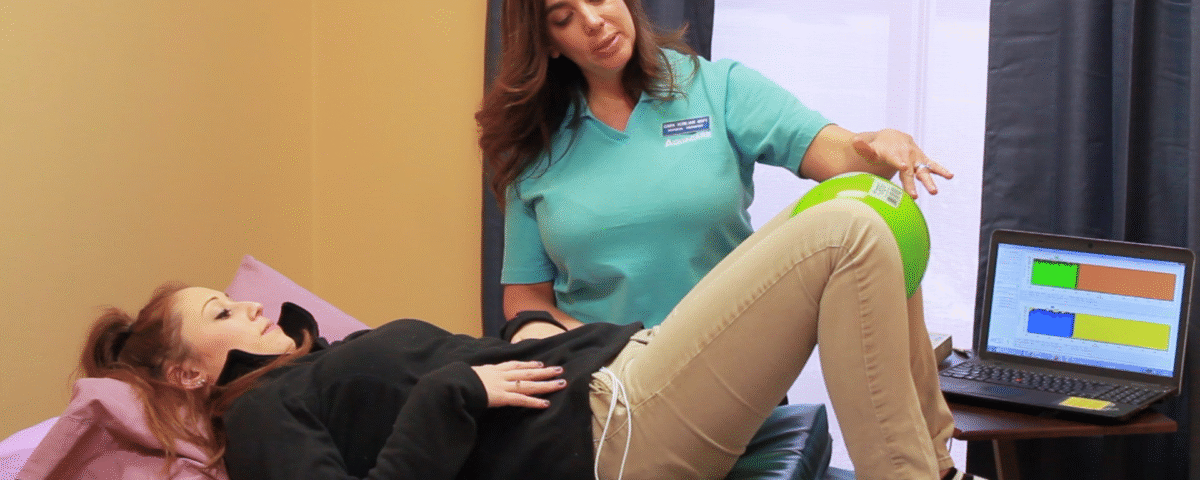
Pelvic floor health is an important part of overall wellness, but many people overlook its role until symptoms begin affecting daily life. Conditions such as urinary incontinence, pelvic discomfort, and muscle weakness can impact confidence, physical activity, and emotional well-being. These issues are common among adults of different ages and may develop because of pregnancy, aging, surgery, or lifestyle-related factors. Fortunately, specialized physical therapy has become an effective and evidence-based treatment option for improving pelvic floor function naturally. Through guided exercises and personalized rehabilitation programs, patients can strengthen supportive muscles, reduce symptoms, and improve overall quality of life without relying heavily on medication or invasive procedures.
Understanding the Pelvic Floor
The pelvic floor is a group of muscles and tissues that support important organs such as the bladder and bowel. These muscles help control bladder function and support stability within the body. When the pelvic floor becomes weak or overly tight, individuals may experience symptoms such as leakage, discomfort, or reduced muscle control.
What Causes Urinary Incontinence?
Urinary incontinence can occur because of several different factors. Pregnancy, childbirth, aging, surgery, obesity, and chronic pressure on pelvic muscles are common causes. Some people experience occasional leakage during physical activity, while others may have more persistent bladder control issues that affect daily routines and confidence.
The Benefits of Pelvic Floor Therapy
Pelvic floor physical therapy focuses on strengthening and retraining the muscles responsible for bladder control and support. Therapists use targeted exercises, stretching techniques, and muscle coordination training to help patients improve pelvic function. This treatment approach is personalized based on the patient’s symptoms and physical condition.
Why Non-Invasive Treatment Is Effective
Many patients prefer non-invasive treatment options because they focus on natural recovery without surgery or excessive medication use. Physical therapy supports long-term improvement by addressing the root causes of pelvic floor dysfunction rather than only managing symptoms temporarily.
Improving Daily Comfort and Confidence
Urinary incontinence can affect social activities, exercise routines, and emotional well-being. Improving pelvic floor function often helps individuals regain confidence and participate more comfortably in everyday activities. Better bladder control can also improve sleep quality and reduce stress associated with leakage concerns.
Professional Pelvic Health Support
Specialized clinics provide focused care for individuals dealing with pelvic floor conditions and bladder control problems. Services such as Incontinence Mount Pleasant SC treatment offer evidence-based physical therapy programs designed to strengthen pelvic muscles, improve bladder control, and support long-term wellness through professional rehabilitation techniques.
The Importance of Early Care
Many people delay treatment because they believe bladder issues are a normal part of aging. However, early treatment often leads to better outcomes and prevents symptoms from becoming more severe over time. Seeking professional care early can significantly improve comfort and overall quality of life.
Conclusion
Pelvic floor health plays a major role in daily comfort, confidence, and overall physical wellness. Specialized physical therapy offers a safe and effective approach for managing urinary incontinence and improving muscle function naturally. With personalized care and evidence-based treatment, individuals can achieve better bladder control and enjoy a healthier, more active lifestyle.