Digital eye strain symptoms and treatment
March 2, 2026
Strength training benefits for overall health
March 2, 2026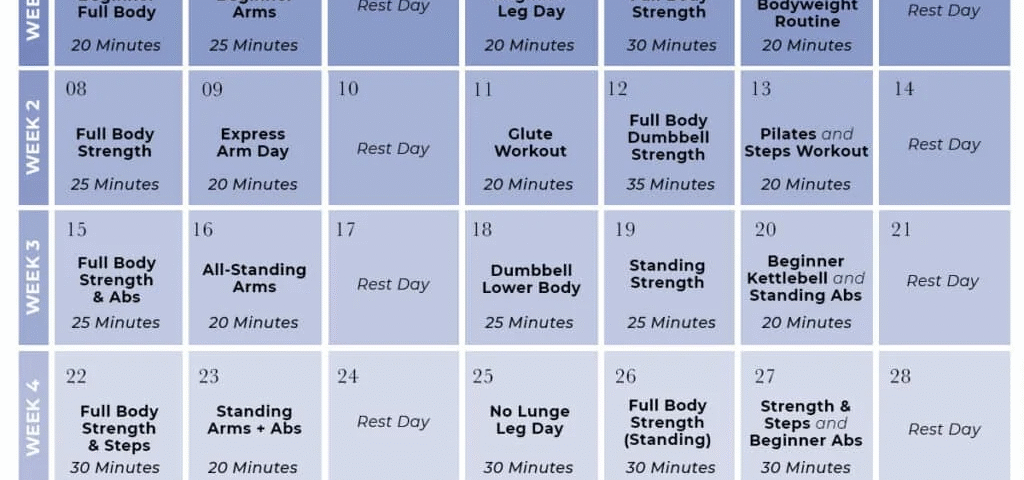
Losing weight and staying fit no longer requires expensive gym memberships or fancy equipment. A beginner home workout plan can be just as effective when structured properly. Home workouts offer flexibility, privacy, and the convenience of exercising on your own schedule. For beginners, the key is to combine cardiovascular activity, strength training, and flexibility exercises into a balanced routine. Consistency, gradual progression, and proper technique are essential for achieving sustainable weight loss and overall fitness.
Benefits of a beginner home workout plan
Starting at home has several advantages. First, it eliminates commuting time and costly gym fees, making fitness accessible for everyone. Home workouts also allow beginners to learn exercises at their own pace without feeling intimidated by advanced gym-goers.
Additionally, working out at home encourages a consistent routine. By setting up a dedicated space and following a structured plan, beginners can establish healthy habits that last long term. Home exercises can target multiple muscle groups and improve cardiovascular health while supporting gradual weight loss.
Designing a balanced weekly routine
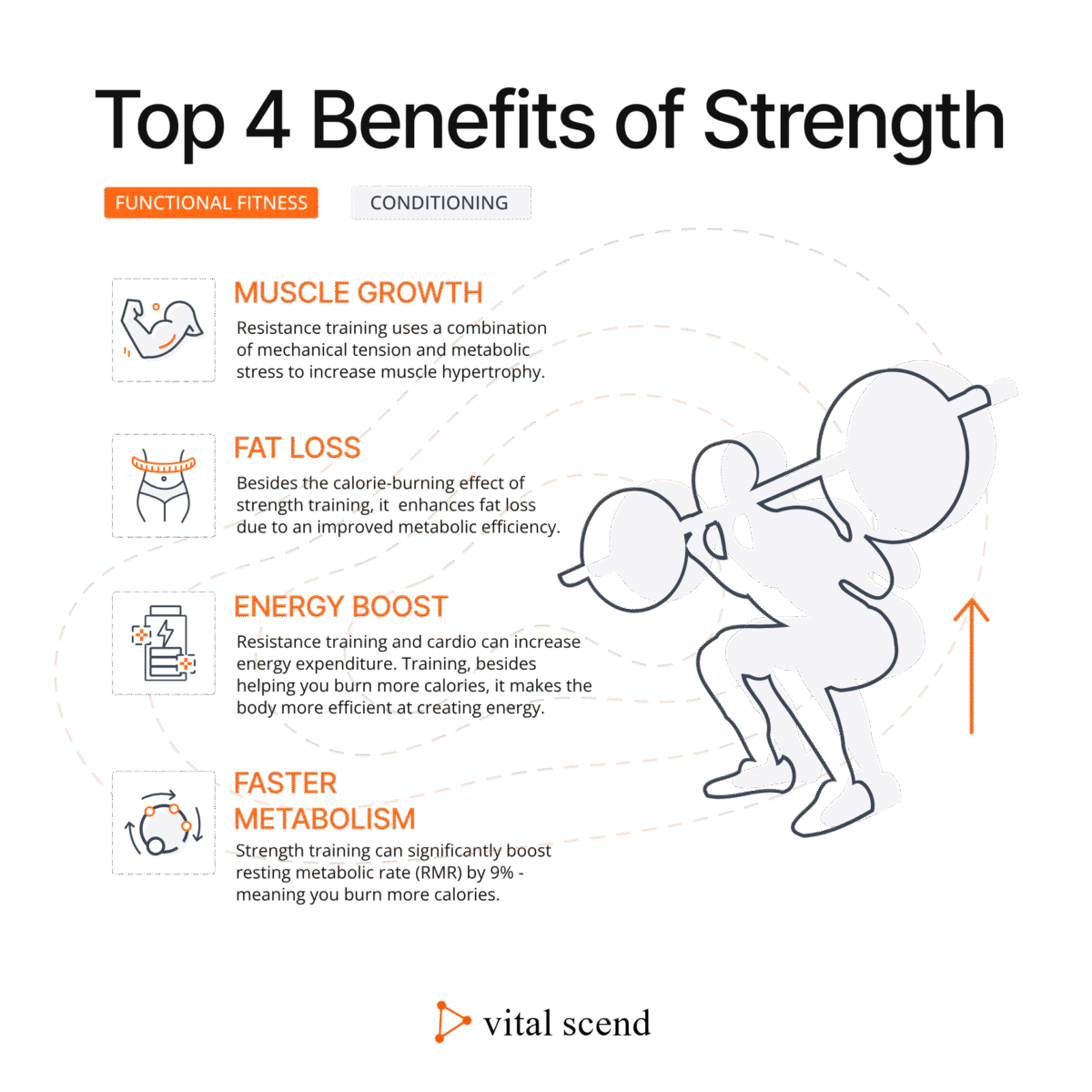
A beginner-friendly home workout plan should include both cardio and strength exercises. Cardio exercises, such as brisk walking in place, jumping jacks, or dance routines, increase heart rate and help burn calories. Strength training exercises like squats, push-ups, and lunges build lean muscle mass, which boosts metabolism.
A suggested weekly plan might include three days of cardio, two days of strength training, and two days for rest or light stretching. Starting with shorter sessions, around 20–30 minutes, ensures that beginners can maintain proper form and avoid injury. Over time, duration and intensity can gradually increase.
Cardiovascular exercises at home
Cardio exercises elevate heart rate and improve cardiovascular endurance while aiding in weight loss. Simple exercises for beginners include:
Jumping jacks – A full-body movement that increases heart rate quickly.
Marching or jogging in place – Low-impact but effective for beginners.
Step-ups using a sturdy chair – Targets legs and glutes while raising the heart rate.
Dance workouts – Fun and effective for calorie burning.
These exercises require minimal or no equipment and can be modified for different fitness levels. Incorporating 15–20 minutes of cardio into a daily routine provides noticeable benefits over time.
Strength training for beginners
Strength training is crucial for building lean muscle and increasing metabolic rate. Beginners can use bodyweight exercises to target all major muscle groups.
Squats – Strengthen the lower body, including quads, hamstrings, and glutes.
Push-ups – Work the chest, shoulders, and triceps. Modify by performing on knees if necessary.
Lunges – Improve balance and tone the legs and glutes.
Planks – Strengthen the core and support overall stability.
Performing 2–3 sets of 10–15 repetitions for each exercise is a good starting point. Rest between sets helps maintain proper form and prevent fatigue.
Incorporating flexibility and stretching
Stretching improves flexibility, reduces the risk of injury, and aids in recovery. Simple stretches for beginners include hamstring stretches, shoulder rolls, and side bends. Yoga or Pilates routines can also enhance flexibility, balance, and mental well-being.
Dedicate 5–10 minutes after each workout to stretch all major muscle groups. Proper breathing during stretches enhances effectiveness and relaxation.
Tracking progress
Tracking workouts and progress helps maintain motivation and ensures gradual improvement. Beginners can use a journal or fitness app to record exercises, duration, and intensity. Monitoring changes in weight, measurements, or energy levels provides tangible feedback and encourages consistency.
Staying motivated at home
Maintaining motivation can be challenging without a gym environment. Creating a dedicated workout space, setting clear goals, and scheduling workouts like appointments can foster commitment. Listening to music, following online tutorials, or exercising with family members can also make home workouts enjoyable.
Nutrition and hydration for weight loss
Exercise alone is not enough for effective weight loss. Proper nutrition supports energy levels, muscle recovery, and fat loss. Include a balanced diet with lean proteins, whole grains, fruits, and vegetables. Avoid processed foods, sugary drinks, and excessive snacking.
Staying hydrated is equally important. Drinking enough water before, during, and after workouts helps maintain performance and prevents dehydration.
Rest and recovery
Rest days are essential for muscle repair and overall recovery. Overtraining can lead to fatigue, injury, and burnout. Beginners should schedule at least one or two rest days per week and focus on light stretching or leisure activities on those days.
FAQs
How many days a week should a beginner exercise at home?
Three to five days per week is ideal, alternating between cardio and strength exercises.
How long should each session last?
Start with 20–30 minutes and gradually increase to 45–60 minutes as fitness improves.
Do I need equipment for a home workout?
No, bodyweight exercises are sufficient for beginners. Optional equipment like resistance bands or dumbbells can enhance results over time.
Can home workouts help with significant weight loss?
Yes, when combined with proper nutrition and consistency, home workouts can lead to substantial weight loss.
How can I avoid boredom during workouts?
Vary exercises, use online workout videos, or include music to keep sessions engaging.
Is it normal to feel sore after beginner workouts?
Yes, mild soreness indicates muscle adaptation. Ensure proper warm-up and cool-down to minimize discomfort.
Should I do cardio or strength training first?
Either is fine, but beginners may start with cardio to warm up before strength exercises.
Can beginners perform high-intensity exercises?
Start with low to moderate intensity. Gradually increase intensity as fitness and endurance improve.
How important is stretching?
Stretching prevents injuries, improves flexibility, and supports muscle recovery.
Can I see results in a month?
With consistent workouts and proper nutrition, beginners may notice improved energy, endurance, and slight weight loss within a month.
Following a beginner home workout plan for weight loss is a sustainable and effective way to improve health, increase energy, and reach fitness goals. With proper planning, motivation, and commitment, anyone can transform their body and lifestyle from the comfort of home.