Best daily habits for healthy eyesight
March 2, 2026
Beginner home workout plan for weight loss
March 2, 2026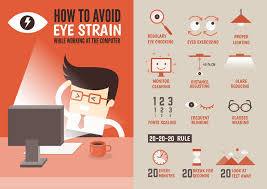
In the modern era, screens have become an integral part of daily life. From laptops and smartphones to tablets and televisions, prolonged exposure to digital devices can put immense stress on the eyes. This phenomenon is commonly referred to as digital eye strain or computer vision syndrome. Unlike traditional vision problems, digital eye strain is largely caused by lifestyle and environmental factors rather than hereditary issues. Recognizing its symptoms and understanding effective treatments are crucial for maintaining long-term eye health.
Digital eye strain affects millions globally, and its prevalence continues to rise with increased screen time for work, education, and entertainment. It can reduce productivity, cause discomfort, and, if ignored, contribute to more serious eye problems over time.
Common symptoms of digital eye strain
Digital eye strain manifests in various ways, and individuals may experience one or more of the following symptoms:
Prolonged screen use can lead to dry eyes, as people blink less frequently while focusing on screens. This reduces the natural lubrication of the eyes, causing irritation and redness.
Headaches are common, especially after long hours of screen exposure. Eye muscles fatigue while trying to focus on bright or flickering screens, leading to tension headaches.
Blurred or double vision may occur due to the constant focus adjustment required when reading small text or viewing high-contrast images. This symptom often appears toward the end of a long workday.
Neck and shoulder pain often accompany eye strain because of poor posture and improper workstation setup. Leaning forward to see a screen more clearly can exacerbate these musculoskeletal issues.
Sensitivity to light, known as photophobia, can occur as the eyes become more reactive to glare or bright light sources after long hours in front of screens.
Risk factors contributing to digital eye strain
Several factors increase the likelihood of developing digital eye strain. Extended screen time without breaks is the most obvious risk. Individuals who spend more than six hours a day in front of a screen are particularly vulnerable.
Poor lighting conditions, whether overly bright or dim, force the eyes to work harder to see clearly, aggravating strain.
Incorrect screen positioning, such as having the monitor too close or at an uncomfortable angle, contributes to fatigue.
Existing vision problems like uncorrected nearsightedness, farsightedness, or astigmatism can worsen the effects of digital eye strain.
Environmental factors like air conditioning, fans, or dry indoor air can reduce tear production and exacerbate discomfort.
Effective treatments for digital eye strain
Treating digital eye strain involves a combination of lifestyle changes, ergonomic adjustments, and professional care.
Adjusting screen settings
Reducing screen brightness and increasing text size can ease the effort required to focus. Many devices also offer blue light filters, which reduce the potentially harmful effects of prolonged exposure to blue light emitted from screens.
Practicing regular breaks
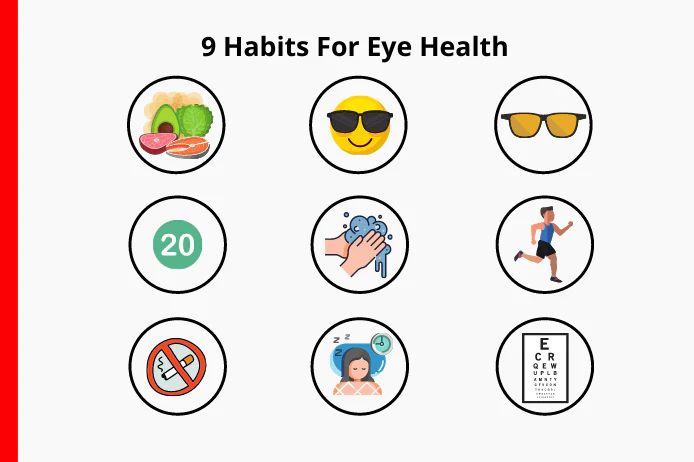
The 20-20-20 rule is highly effective in relieving eye fatigue. Every 20 minutes, look at an object 20 feet away for at least 20 seconds. This relaxes the focusing muscles and reduces strain.
Optimizing workstation ergonomics
Position the monitor at eye level and about 20 to 24 inches away from the face. Ensure that chairs provide adequate support, and maintain proper posture to reduce neck and shoulder tension.
Using artificial tears or lubricating drops
Dry eyes are a common symptom of digital strain. Over-the-counter artificial tears can relieve dryness and irritation. It is important to choose preservative-free drops for frequent use.
Maintaining eye health through diet and hydration
Nutrients such as omega-3 fatty acids, vitamin A, and antioxidants help maintain eye moisture and reduce inflammation. Drinking plenty of water throughout the day also supports natural tear production.
Seeking professional help
If symptoms persist despite lifestyle adjustments, consulting an eye care professional is essential. An optometrist can prescribe corrective lenses or recommend treatments tailored to individual needs.
Preventive measures to reduce strain
Prevention is always more effective than treatment. Limiting recreational screen time, using proper lighting, maintaining posture, and regularly adjusting device settings are simple yet powerful strategies.
Incorporating outdoor activities helps relax the eye muscles, as looking at distant objects reduces strain on the focusing system. Additionally, ensuring adequate sleep allows the eyes to repair and recover from daily stress.
FAQs
Can digital eye strain cause permanent vision loss?
No, digital eye strain typically causes temporary discomfort. Permanent vision loss is rare but chronic neglect can lead to more serious eye issues over time.
How often should I take screen breaks?
Every 20 minutes, following the 20-20-20 rule, is recommended to reduce strain. Longer breaks every 2–3 hours are also beneficial.
Are blue light glasses effective?
Blue light glasses can reduce glare and improve comfort but are not a replacement for proper screen breaks and ergonomic practices.
Can eye exercises help?
Yes, simple eye exercises like focusing on distant objects and blinking regularly can strengthen eye muscles and relieve fatigue.
What should I do if my eyes remain dry?
Use preservative-free artificial tears, take regular breaks, and consult an eye care professional if symptoms persist.
Is screen positioning really important?
Absolutely. Improper monitor height and distance can worsen strain and contribute to headaches and neck pain.
Can children suffer from digital eye strain?
Yes, children who spend long hours on tablets, computers, or phones can experience the same symptoms as adults. Limiting screen time and encouraging outdoor activities are essential.
How does posture affect eye strain?
Slouching or leaning forward can increase neck and shoulder tension, indirectly worsening eye fatigue. Proper ergonomic posture reduces strain.
Are contact lens wearers more at risk?
Contact lens wearers may experience increased dryness and irritation. Proper hygiene and using lubricating drops can help.
When should I see a doctor?
If symptoms persist despite preventive measures, if vision suddenly changes, or if pain or redness is severe, seek professional evaluation promptly.
Digital eye strain is a modern challenge, but with awareness, simple adjustments, and consistent habits, it can be managed effectively. By understanding its symptoms and adopting preventive and treatment strategies, individuals can protect their vision and enjoy comfortable screen use every day.