

Natural ways to boost immune system
March 2, 2026
How to manage stress and anxiety naturally
March 2, 2026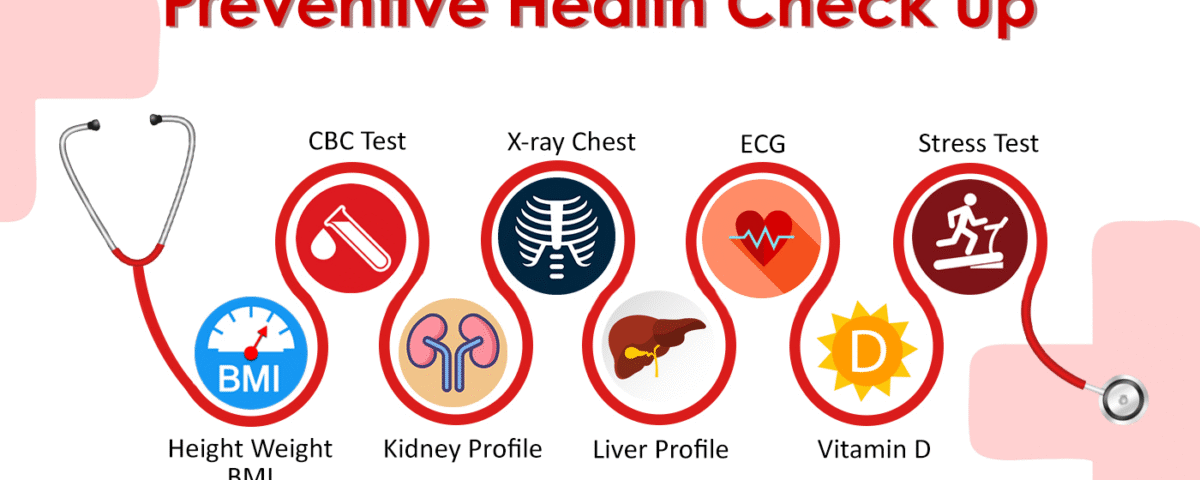
Introduction to preventive healthcare
Preventive health checkups are proactive measures taken to monitor and maintain overall well-being before serious illnesses develop. Unlike reactive healthcare, which addresses symptoms after they appear, preventive care focuses on early detection, risk assessment, and lifestyle guidance. Regular health screenings, laboratory tests, and physical examinations help identify potential issues early, allowing for timely intervention and better outcomes.
In today’s fast-paced world, busy schedules and reliance on reactive treatment often lead people to ignore routine checkups. However, prioritizing preventive care can reduce the risk of chronic diseases, lower healthcare costs, and improve quality of life.
Benefits of preventive health checkups
Preventive health checkups offer multiple benefits that extend beyond early disease detection. They enable healthcare providers to identify risk factors for conditions such as hypertension, diabetes, heart disease, and cancer. Early detection often leads to simpler, more effective treatments and higher survival rates.
Routine checkups also allow individuals to track vital health metrics like blood pressure, cholesterol, and body mass index. Monitoring these indicators over time helps in making informed lifestyle changes and setting realistic wellness goals.
Additionally, preventive checkups promote awareness of mental health and overall well-being, encouraging holistic care that addresses both physical and emotional health.
Common components of preventive checkups
A typical preventive health checkup includes a combination of assessments and screenings based on age, gender, and risk factors. These often include:
Physical examination – General evaluation of body systems, including heart, lungs, and abdomen.
Blood tests – Assess glucose levels, cholesterol, liver and kidney function, and vitamin deficiencies.
Blood pressure monitoring – Detects hypertension, a major risk factor for cardiovascular disease.
Body mass index (BMI) and waist circumference – Evaluate obesity-related risks.
Cancer screenings – Tests like mammograms, Pap smears, colonoscopies, and prostate exams based on age and gender.
Vaccinations – Ensure protection against preventable diseases.
Lifestyle assessment – Includes diet, exercise, alcohol, and smoking habits.
Mental health evaluation – Screens for stress, anxiety, and depression.
Tailoring checkups to individual needs ensures that specific risks are addressed effectively.
Early detection of chronic diseases
Many chronic diseases develop silently, often showing symptoms only after significant progression. Conditions like diabetes, high blood pressure, and kidney disease can go unnoticed without routine screening.
Preventive checkups allow healthcare providers to identify these issues early, enabling interventions such as dietary changes, medications, or lifestyle adjustments. Early action reduces complications, enhances treatment success, and improves long-term health outcomes.
Promoting healthier lifestyle choices
During preventive checkups, healthcare professionals provide guidance on nutrition, exercise, sleep, and stress management. Personalized recommendations encourage healthier habits and reduce risk factors for chronic conditions.
Education on proper diet, regular physical activity, and avoidance of smoking or excessive alcohol supports proactive health management. Individuals are more likely to adopt and maintain positive behaviors when informed by professional advice.
Reducing healthcare costs
Preventive care can lower long-term healthcare expenses by minimizing hospitalizations, emergency visits, and advanced treatments. Detecting problems early often allows for less invasive interventions and reduces the financial burden of serious illnesses.
Investing in regular checkups is cost-effective compared to treating advanced stages of disease. Preventive healthcare not only saves money but also preserves quality of life and productivity.
Mental and emotional benefits
Knowing one’s health status can reduce anxiety and promote peace of mind. Routine checkups provide reassurance, build confidence in managing health, and encourage proactive engagement in wellness routines.
Additionally, mental health screenings as part of preventive care help detect early signs of depression, anxiety, or stress-related conditions, allowing timely support and intervention.
Frequency of preventive health checkups
The frequency of checkups depends on age, medical history, and personal risk factors. Generally, adults should schedule comprehensive annual or biennial exams, while specific screenings may occur more frequently.
High-risk individuals, such as those with a family history of chronic diseases, may require more frequent monitoring. Consulting a healthcare provider helps create a personalized preventive care schedule.
Tips for maximizing preventive checkups
Prepare a list of current medications, medical history, and family health history.
Maintain a record of symptoms or concerns to discuss with the doctor.
Follow pre-checkup instructions, such as fasting for blood tests.
Ask questions about recommended screenings, lifestyle modifications, and vaccination updates.
Track test results over time to monitor trends and improvements.
Being actively engaged in checkups empowers individuals to take ownership of their health.
FAQs
Why are preventive health checkups important?
They detect health issues early, reduce risks of chronic diseases, and guide healthier lifestyle choices.
How often should adults have a routine checkup?
Generally once a year or every two years, with additional screenings based on age, gender, and risk factors.
Can preventive checkups detect serious diseases?
Yes, many conditions like diabetes, hypertension, and certain cancers can be identified before symptoms appear.
Are checkups expensive?
Costs vary, but preventive care is cost-effective compared to treating advanced diseases. Insurance often covers routine screenings.
Do I need a checkup if I feel healthy?
Yes, many diseases develop without noticeable symptoms. Regular checkups help maintain long-term health.
Can checkups help with weight management?
Yes, healthcare providers can evaluate BMI, metabolic health, and provide guidance for healthy weight management.
Are mental health evaluations included?
Increasingly, yes. Many preventive checkups now assess stress, anxiety, and depression as part of holistic care.
What screenings are recommended for older adults?
Screenings for cardiovascular health, diabetes, cancer, bone density, and cognitive function are commonly recommended.
Can lifestyle changes reduce the need for medication?
In some cases, yes. Early interventions through diet, exercise, and stress management can reduce or delay the need for medications.
How do I prepare for a preventive health checkup?
Bring your medical history, list of medications, note symptoms, and follow any specific instructions provided by your healthcare provider.
Regular preventive health checkups are a cornerstone of long-term wellness. They empower individuals to make informed decisions, detect health issues early, and adopt healthier lifestyles, ultimately improving quality of life and longevity.