
Strength training benefits for overall health
March 2, 2026
Importance of preventive health checkups
March 2, 2026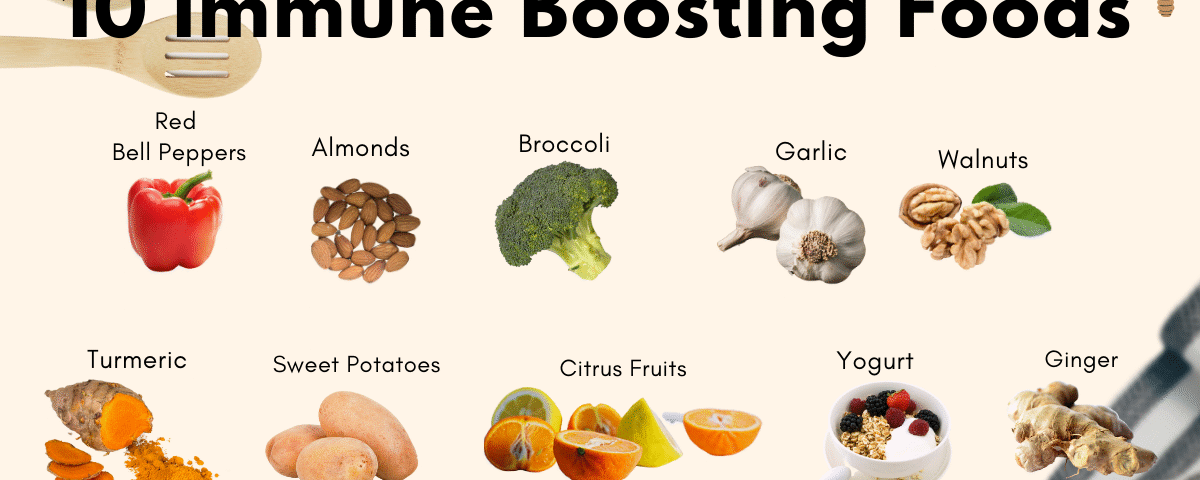
Introduction to immune health
A strong immune system is essential for protecting the body against infections, viruses, and diseases. The immune system functions as the body’s natural defense mechanism, identifying harmful pathogens and responding to threats effectively. In today’s world, where exposure to environmental stressors, processed foods, and sedentary lifestyles is common, maintaining a resilient immune system has become more important than ever.
Boosting immunity naturally involves adopting lifestyle habits, nutrition strategies, and stress management techniques that support the body’s defense mechanisms. While supplements can help, the foundation of immune health lies in everyday choices and consistent care.
Understanding how the immune system works
The immune system is a complex network of cells, tissues, and organs that work together to defend the body. White blood cells identify and destroy invading pathogens, antibodies neutralize harmful agents, and lymphatic organs like the spleen and thymus coordinate immune responses.
A balanced immune system reacts appropriately—eliminating threats without overreacting. Weak immunity can lead to frequent infections, slow recovery, and increased vulnerability to chronic illnesses. Conversely, an overactive immune system can cause allergies or autoimmune conditions. Supporting immune function through natural strategies ensures optimal protection and overall well-being.
Eating a nutrient-rich diet
Nutrition plays a pivotal role in immune health. Certain vitamins and minerals enhance the immune response and help the body fight infections. Key nutrients include:
Vitamin C – Found in citrus fruits, strawberries, and bell peppers, it stimulates white blood cell production.
Vitamin D – Supports immune cell function and can be obtained through sunlight exposure and fortified foods.
Zinc – Present in nuts, seeds, and legumes, zinc is crucial for immune cell development.
Vitamin E – Acts as an antioxidant, protecting cells from damage.
Protein – Essential for antibody production and tissue repair; sources include lean meats, eggs, legumes, and dairy.
A colorful, balanced diet that incorporates fruits, vegetables, whole grains, and lean proteins ensures that the immune system receives necessary support. Avoiding excessive sugar and processed foods also reduces inflammation and promotes optimal function.
Staying physically active
Regular exercise enhances circulation, which helps immune cells travel more efficiently throughout the body. Moderate physical activity, such as brisk walking, cycling, or swimming, improves cardiovascular health, reduces inflammation, and supports metabolic function—all of which contribute to immunity.
Exercise also reduces stress and promotes better sleep, both of which are critical for immune health. Consistency is key; even 30 minutes of moderate activity most days of the week can have significant benefits.
Prioritizing quality sleep
Sleep is a natural restorative process during which the body produces immune-boosting molecules. Lack of sleep weakens the immune response, making the body more susceptible to infections. Adults typically require 7–9 hours of quality sleep per night.
Establishing a consistent sleep schedule, creating a relaxing bedtime routine, and limiting screen exposure before bed help improve sleep quality. Proper rest ensures that immune cells function optimally and that the body can repair and rejuvenate effectively.
Managing stress effectively
Chronic stress suppresses immune function by releasing cortisol, a hormone that can reduce the activity of white blood cells. Techniques to manage stress include meditation, deep breathing exercises, yoga, and mindfulness practices.
Regular relaxation practices not only reduce stress hormones but also improve mood, sleep quality, and overall health. Creating a balanced lifestyle that minimizes stressors is a natural way to strengthen immunity.
Hydration for immune support
Staying hydrated is essential for maintaining cellular function and supporting the lymphatic system, which transports immune cells throughout the body. Drinking adequate water aids in flushing out toxins and keeping mucous membranes moist, which helps prevent infections.
Herbal teas, water-rich fruits, and vegetables also contribute to hydration. Limiting excessive caffeine and alcohol intake supports optimal immune function.
Incorporating immune-boosting herbs and spices
Certain herbs and spices have natural immune-enhancing properties. Garlic contains allicin, which exhibits antibacterial and antiviral effects. Ginger and turmeric have anti-inflammatory properties that support immune response.
Adding these ingredients to daily meals or teas can provide additional support alongside a balanced diet. Consistency and moderation are important for long-term benefits.
Practicing good hygiene
Preventing infections reduces the burden on the immune system. Frequent handwashing, avoiding contact with sick individuals, and maintaining clean environments help minimize exposure to pathogens.
Practices such as proper food handling and sanitizing surfaces further reduce the risk of illness. Hygiene is a simple yet effective way to support natural immunity.
Avoiding harmful habits
Smoking, excessive alcohol consumption, and sedentary behavior weaken the immune system. Smoking damages the respiratory tract and impairs immune cell function. Excessive alcohol disrupts gut health and reduces white blood cell activity.
Adopting healthier lifestyle habits, such as quitting smoking, moderating alcohol intake, and staying active, provides significant immune benefits over time.
Balancing gut health
The gut plays a critical role in immunity. Beneficial gut bacteria help regulate immune responses and prevent infections. Consuming probiotics through yogurt, fermented foods, or supplements can improve gut health.
A diet rich in fiber, fruits, vegetables, and whole grains also supports a healthy microbiome. Maintaining gut balance strengthens the immune system and enhances overall wellness.
FAQs
Can I boost immunity naturally without supplements?
Yes, a healthy diet, regular exercise, quality sleep, stress management, and hygiene are the foundation of natural immune support.
How does stress affect the immune system?
Chronic stress increases cortisol, which suppresses immune cell activity and makes the body more susceptible to illness.
Are probiotics beneficial for immunity?
Yes, probiotics support gut health, which is closely linked to immune function.
How important is sleep for immunity?
Sleep allows the body to produce immune-boosting cells and molecules. Lack of sleep reduces the efficiency of immune responses.
Can hydration affect immunity?
Yes, adequate hydration supports cellular function and helps the body flush out toxins, reducing infection risk.
Do vitamins really help fight infections?
Vitamins and minerals such as C, D, E, and zinc support immune cell function but work best when combined with a healthy lifestyle.
Can exercise improve immune response?
Moderate, consistent exercise enhances circulation, reduces inflammation, and supports overall immune health.
How quickly can lifestyle changes boost immunity?
Some benefits, like improved energy and reduced stress, may appear within weeks, but long-term immunity improves over months with consistent healthy habits.
Are there foods to avoid for better immunity?
Excess sugar, highly processed foods, and unhealthy fats can increase inflammation and weaken immune function.
How does gut health influence immunity?
A balanced gut microbiome helps regulate immune responses and protects against harmful pathogens.
Focusing on natural ways to boost the immune system ensures that the body remains resilient against infections, recovers efficiently, and maintains long-term health. By adopting consistent habits in nutrition, physical activity, sleep, stress management, and hygiene, anyone can strengthen their immune defenses effectively.