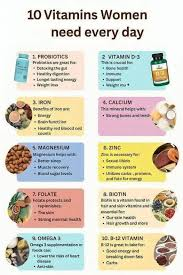
Essential vitamins and minerals for women’s health
March 2, 2026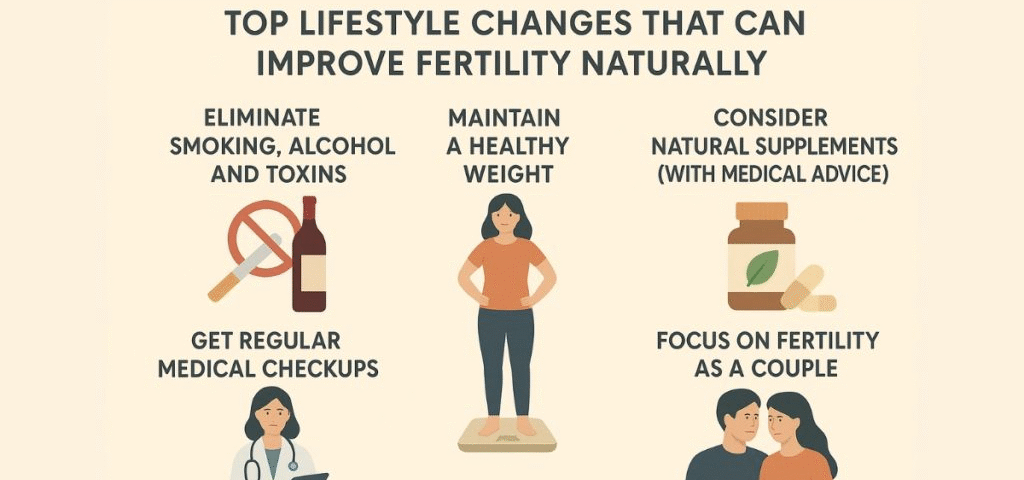
Introduction to reproductive health
Reproductive health is a crucial aspect of a woman’s overall well-being. It encompasses the proper functioning of the reproductive system, menstrual health, fertility, and hormonal balance. Maintaining reproductive health naturally involves lifestyle habits, nutrition, stress management, and hygiene practices that support optimal functioning and prevent disorders.
Focusing on reproductive health not only enhances fertility and menstrual regularity but also contributes to emotional balance, energy levels, and long-term wellness. Understanding natural ways to care for the reproductive system empowers women to take proactive steps in preserving their health.
Maintaining a balanced diet
Nutrition plays a vital role in reproductive health. A diet rich in vitamins, minerals, and antioxidants supports hormonal balance and ovulation.
Key nutritional tips:
Include leafy greens, fruits, and vegetables for antioxidants and fiber.
Consume lean proteins, eggs, legumes, and fish for hormone synthesis.
Incorporate healthy fats, such as olive oil, nuts, and seeds, to support hormone production.
Limit processed foods, refined sugar, and excessive caffeine, which can disrupt hormonal balance.
A nutrient-dense diet ensures the reproductive system functions efficiently and reduces the risk of conditions like polycystic ovary syndrome (PCOS) and irregular menstruation.
Regular physical activity
Exercise helps maintain a healthy weight, which is critical for hormonal regulation and fertility. Activities like brisk walking, swimming, yoga, or strength training improve circulation, reduce stress, and support metabolic health.
Maintaining moderate, consistent physical activity helps regulate menstrual cycles, reduce the risk of reproductive disorders, and promote overall hormonal balance.
Stress management
Chronic stress can negatively affect reproductive health by disrupting hormone levels and menstrual cycles. Stress management techniques such as meditation, deep breathing exercises, mindfulness, and yoga can improve emotional well-being and support reproductive function.
Taking time for relaxation and self-care reduces cortisol levels and enhances the body’s ability to maintain hormonal balance naturally.
Adequate sleep
Quality sleep is essential for hormone regulation, ovulation, and overall reproductive health. Lack of sleep can disrupt the production of estrogen and progesterone, affecting fertility and menstrual cycles.
Aim for 7–9 hours of sleep per night and maintain a consistent sleep schedule to support optimal reproductive functioning.
Maintaining a healthy weight
Being underweight or overweight can impact fertility and menstrual regularity. Maintaining a healthy body weight through balanced nutrition and regular exercise helps regulate hormone levels and supports reproductive health.
Consulting a healthcare provider for guidance on weight management ensures that nutritional needs are met without compromising reproductive function.
Staying hydrated
Proper hydration supports circulation, nutrient delivery, and detoxification, all of which are essential for reproductive health. Drinking sufficient water daily helps maintain healthy tissue function and prevents urinary tract infections, which can affect reproductive organs.
Herbal and natural remedies
Certain herbs and natural supplements can support reproductive health:
Maca root – May enhance fertility and balance hormones.
Vitex (Chasteberry) – Supports menstrual cycle regulation.
Fenugreek – Helps maintain hormonal balance.
Always consult a healthcare provider before starting any herbal supplement to ensure safety and effectiveness.
Practicing good hygiene
Maintaining reproductive hygiene reduces the risk of infections that can affect fertility and overall reproductive health.
Tips include:
Wear breathable, cotton underwear.
Avoid douching, which disrupts natural vaginal flora.
Practice safe sexual activity and regular STI screenings.
Cleanse the genital area gently and maintain routine medical checkups.
Regular medical checkups
Routine gynecological examinations help monitor reproductive health and detect any issues early. Pap smears, pelvic exams, and screenings for infections or hormonal imbalances are important preventive measures. Early detection of conditions like PCOS, endometriosis, or infections improves treatment outcomes and overall health.
FAQs
How can diet impact reproductive health?
A nutrient-rich diet supports hormonal balance, ovulation, and overall reproductive function.
Is exercise necessary for fertility?
Yes, regular physical activity maintains healthy weight, improves circulation, and regulates hormones.
Can stress affect menstrual cycles?
Chronic stress can disrupt hormone levels, leading to irregular or missed periods.
Are herbal supplements safe for reproductive health?
Some herbs like maca root or vitex can support reproductive health, but consult a healthcare professional before use.
How important is sleep for reproductive function?
Sleep regulates hormone production, ovulation, and menstrual cycle stability.
How can I maintain hygiene naturally?
Use breathable clothing, avoid harsh chemicals, and practice gentle cleansing.
Can being overweight or underweight affect fertility?
Yes, extreme weight fluctuations can disrupt hormonal balance and reduce fertility.
How often should women visit a gynecologist?
Typically once a year, or more frequently if there are specific concerns or risk factors.
Do hydration and detoxification affect reproductive health?
Yes, proper hydration supports tissue function and reduces the risk of infections.
Can lifestyle changes improve reproductive health?
Absolutely, combining balanced nutrition, exercise, stress management, and hygiene practices significantly enhances reproductive function.
Prioritizing reproductive health naturally ensures hormonal balance, fertility support, and overall wellness. By adopting healthy lifestyle habits, practicing proper hygiene, and scheduling routine checkups, women can maintain optimal reproductive health throughout life.